Mon - Sat : 10.00 AM - 4.00PM Sunday : Closed
Temporomandibular joint (TMJ) disorder affects the joint connecting the jaw to the skull. Dysfunction of this joint or surrounding muscles can cause jaw pain, clicking or popping sounds, facial tension, headaches, and difficulty opening or closing the mouth.
Symptoms may develop due to clenching, grinding (bruxism), inflammation within the joint, arthritis, or muscle overactivity.
At Jacobs Pain Centre, TMJ treatment focuses on identifying whether symptoms arise from the joint itself, surrounding muscles, or associated nerve irritation.
TMJ-related pain may originate from:
Accurate assessment helps determine the most appropriate treatment approach.
Depending on the source of symptoms, treatment may include:
Botox may be used when muscle overactivity from clenching or grinding contributes to jaw pain. Injections into targeted jaw muscles reduce excessive contraction and mechanical stress on the joint.
When inflammation within the joint is suspected, a targeted injection into the temporomandibular joint may be performed. The injection typically includes a local anesthetic and may include a corticosteroid to reduce inflammation.
If focal muscle tension is contributing to facial or jaw discomfort, trigger point injections may be used to address tight muscle bands.
In certain cases involving nerve-related facial pain, targeted nerve blocks may be considered. Treatment recommendations are based on clinical findings and prior response to conservative care.
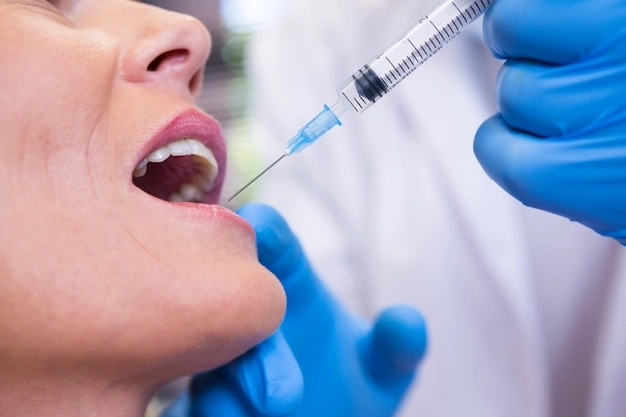
TMJ injections are performed in Jacobs Pain Centre. The skin over the treatment area is cleaned, and a small needle is guided into the targeted joint or muscle. The procedure is typically brief.
Improvement in jaw pain and muscle tension may develop over several days, depending on the treatment performed. The degree and duration of relief vary based on the underlying cause of TMJ symptoms and individual response.
TMJ treatment begins with a medical evaluation to determine whether symptoms are joint-based, muscle-based, or nerve-related. Injection therapy may be incorporated into a broader management plan tailored to diagnosis and symptom severity.
A referral from your doctor may be required to begin TMJ treatment at the Jacobs Pain Centre.

Jacobs Pain Centre, 8920 Woodbine Ave, Ste. 102, Markham, ON L3R 9W9
Since 2002, Jacob’s Pain Centre has provided effective, comprehensive pain management through a multidisciplinary approach. We combine evidence-based treatments with supportive care to deliver accurate diagnoses and personalized pain management plans.
Copyright © 2025. All Rights Reserved.